

How to Get a Liquor Licence in Zimbabwe – Full Guide + Application Support
September 12, 2025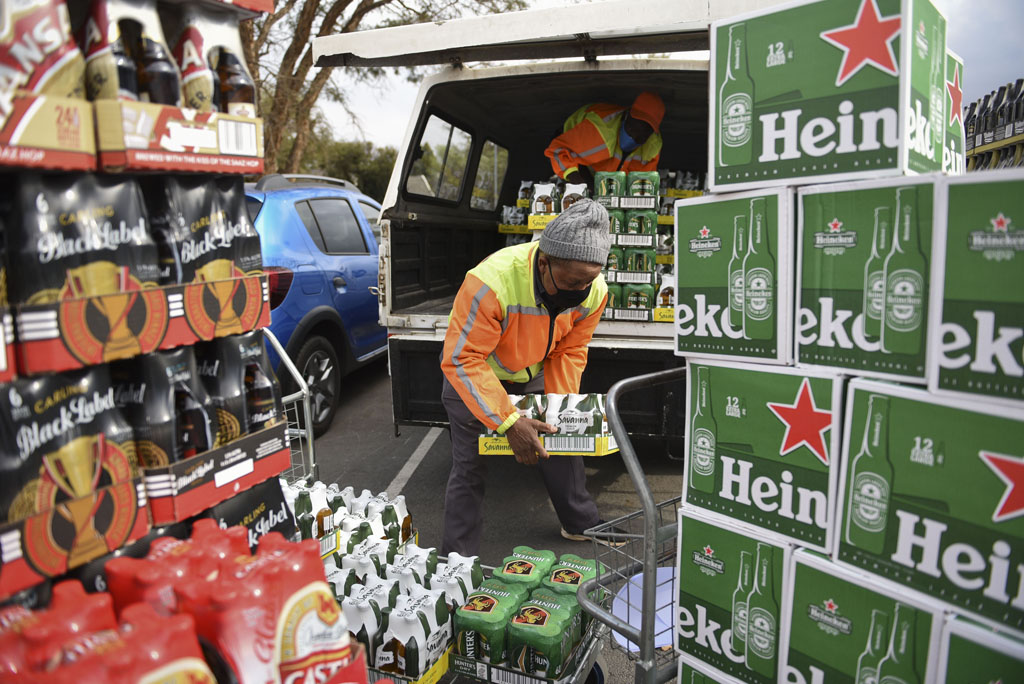
Running a bottle store sounds like a great idea — after all, people celebrate with a drink and often unwind with one too. But before you take the plunge, it’s important to understand what the business really looks like on the ground in Zimbabwe. The liquor trade can be rewarding, but only if you plan carefully, manage well, and stay compliant.
💰 The Real Numbers Behind the Beer Business
Let’s start with the basics.
Brown quarts — your familiar Carling Black Label and Castle Lager — cost around US$13 per crate (12 bottles). Each bottle sells for about $1.30 to $1.50, which gives a gross margin of 20–38%.
Green bottles — think Castle Lite or Zambezi — cost roughly $16 a crate and sell for $1.50–$2.00 per bottle. That works out to a margin between 12–50%, depending on your area and pricing strategy.
On paper, it looks promising. But once you add up rent, licences, wages, transport, and security, your net profit often drops to between 5–15%. The key to success is good management, not just high sales.
🍷 Don’t Forget the Other Product Lines
Beer might move the fastest, but the most successful outlets diversify. A well-stocked store caters to different tastes and budgets.
- Wines: A growing number of customers enjoy a good bottle of red, white, or rosé. Local brands like Bushman Rock and Clemour sit comfortably alongside South African favorites like Four Cousins and Robertson. Wine generally offers higher margins, especially if you build a loyal, quality-conscious customer base.
- Spirits: From whisky and brandy to gin and vodka, spirits bring in stronger mark-ups, though they sell slower. Stocking small bottles (quarts or minis) helps balance affordability and profit.
- Ciders and coolers: Products like Hunters, Savanna, and Breezer appeal to a younger, trendier crowd and can lift your average sale value.
- Soft drinks and snacks: Many outlets add cokes, water, energy drinks, and light snacks to boost turnover. These complement alcohol sales and bring in non-drinking customers too.
A mix of product lines keeps your business resilient — when beer slows down, wine or spirits might carry you through.
📍 Location, Location, Location
Your outlet’s success depends heavily on where you set up.
- High-density areas and growth points move a lot of volume, especially for quarts and ciders.
- Suburban or city outlets can focus more on wines, spirits, and convenience sales.
Choose a site with steady foot traffic, good visibility, and secure parking. But remember — prime locations come with higher rent, so balance potential sales against costs.
⚖️ Compliance Is Key
Before selling your first bottle, make sure you have the correct liquor licence from your local authority. Operating without one can lead to fines, confiscation, or even closure. You’ll also need to follow zoning regulations, health and safety standards, and local trading hour rules.
Being compliant not only keeps you out of trouble — it builds credibility with suppliers, banks, and your community.
🤝 Build Strong Supplier Relationships
In this business, your suppliers can be your greatest allies. Maintain good communication, pay on time, and take advantage of promotions or bulk discounts when you can. Strong relationships often lead to better pricing, priority deliveries, and valuable advice on new products.
🧾 The Bottom Line
Opening a liquor outlet in Zimbabwe can be a steady, cash-generating venture — but it’s not a guaranteed goldmine. Profit comes from smart buying, strict cost control, diverse stock, and great customer service.
If you get those right — and stay compliant — your bottle store can thrive for years to come. So before you pop that first quart, take time to plan, research, and set your business up the right way.
Cheers to responsible and successful trading! 🍾

